佛像源起
佛像的象徵
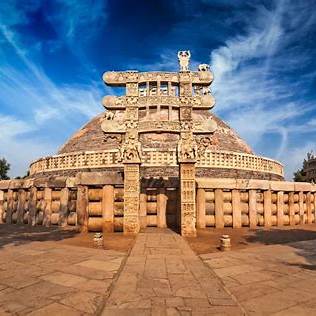
在佛教產生的最初五六百年間是沒有佛像的,原始佛教藝術中常以佛塔、蓮花、蓮座、菩提樹或佛足印來表示佛的存在。
During the first five to six centuries after the emergence of Buddhism, there were no anthropomorphic images of the Buddha. In early Buddhist art, the Buddha's presence was symbolized through motifs such as the lotus flower, lotus pedestal, Bodhi tree, or footprints.
佛像的創造
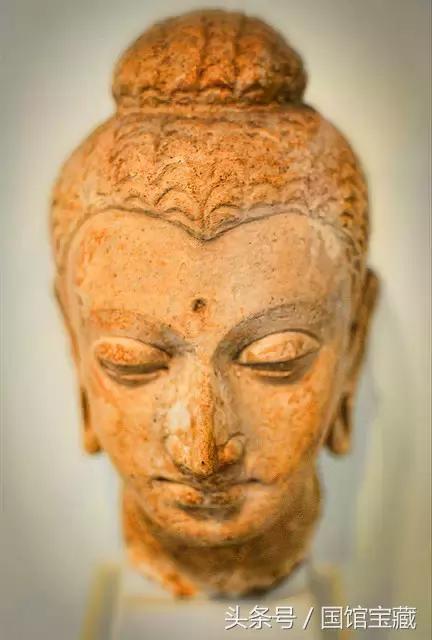
犍陀羅藝術的主要貢獻在於佛像的創造。最初佛像乃從印度民間的鬼神雕像轉化而來﹐而在犍陀羅地區﹐佛像製作又較多地吸收了希臘式雕像和浮雕的風格。其早期造像以石板浮雕為主,中期則石板浮雕和圓雕造像並存,晚期繼續流行石質造像,泥塑造像大量出現。
The primary contribution of Gandhāran art lies in the creation of the Buddha image. The earliest Buddha statues evolved from local Indian depictions of spirits and deities. In the Gandhāra region, these representations further absorbed stylistic elements from Greek sculpture and relief art. Early Gandhāran images were mainly stone reliefs; during the middle period, both stone reliefs and freestanding sculptures were common. In the later period, stone sculptures remained popular, and clay sculptures began to appear in large numbers.
西方化特徵
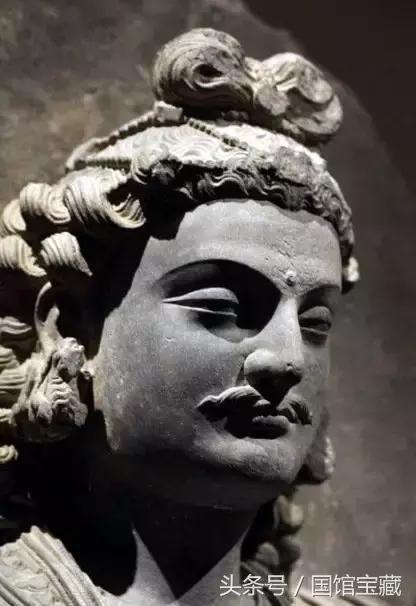
犍陀羅造像人物面部西方化特徵明顯,靠近白沙瓦的古犍陀羅中心地區更是如此。人物大都鼻樑高聳,眼窩較深,口鼻處留八字形鬍鬚,頭頂波浪形捲髮,身著V字領通肩袈裟,衣褶流暢,高度寫實。展覽中的一尊公元2世紀的佛陀坐像,希臘式捲髮,深目高鼻,莊嚴肅穆的神態不失為犍陀羅造像中的經典之作。
Gandhāran sculptures are noted for their distinct Westernized facial features, particularly in the areas near Peshawar—the heart of ancient Gandhāra. The figures often have high-bridged noses, deep-set eyes, moustaches shaped like an inverted "V" above the mouth, and wavy, Greco-style hair. They wear a monastic robe with a V-shaped neckline that covers both shoulders, with fluid, naturalistic drapery, all rendered in a highly realistic manner. One seated Buddha statue from the 2nd century CE featured in this exhibition—with its Greek-style curly hair, deep eyes, prominent nose, and solemn expression—is considered a classic masterpiece of Gandhāran sculpture.