犍陀羅佛像之一
條目
-
標題
-
犍陀羅佛像之一
-
Gandhāran Buddhist sculpture
-
描述
-
犍陀羅佛像藝術是佛陀造像的源頭。
貴霜王朝時代是犍陀羅藝術的鼎盛時期,犍陀羅地區曾為希臘文化殖民地,仿照希臘羅馬雕刻神像的手法,以西方人體寫實形式雕刻佛像,結合了佛教文化和希臘文化,此造像風格後人以地名「犍陀羅」稱之。
-
在馬其頓統治時期,東西方雕塑藝術互相激盪和碰撞,最後融合在了犍陀羅地區,佛教及印度文化作為母體,希臘及地中海文化則是推動的力量,最終形成了犍陀羅風格。
-
面部表情沉靜肅穆,有明顯的歐洲人特徵:高鼻、大眼、薄唇,頤部豐滿,額際寬闊,頭髮自然捲曲,通常有寬大而鮮明的頂髻。
-
Gandhāran Buddhist sculpture represents the origin of Buddha imagery.
The Kushan Dynasty marked the golden age of Gandhāran art. As Gandhāra was once a colony influenced by Greek culture, its sculptors adopted techniques from Greco-Roman art to depict Buddhist figures. Using realistic Western anatomical forms, they combined Buddhist themes with Hellenistic aesthetics—a style later known by the regional name "Gandhāran."
During the period of Macedonian rule, Eastern and Western sculptural traditions collided and merged in the Gandhāra region. Buddhist and Indian cultures served as the foundation, while Greek and Mediterranean influences acted as a driving force behind the evolution of this artistic style.
The facial expressions of Gandhāran Buddha statues are calm and solemn, displaying distinct European features: high nose bridges, large eyes, thin lips, full chins, broad foreheads, and naturally wavy hair, often topped with a prominent and well-defined ushnisha (cranial protuberance).
-
時間點
-
1 January 2008
-
來源
-
數位來源:每日頭條文化頻道_https://kknews.cc/culture/5lppgp8.html
-
語言
-
中文
-
類型
-
雕刻圖像
-
格式
-
格式:圖檔
解析度:96 dpi
高廣數值:1920 x 1374 像素"
-
權利持有人
-
版權屬於每日頭條
-
時空範圍
-
犍陀羅地區,公元1至5世紀
-
範圍
-
相關的佛教藝術展覽或研究
-
主題
-
佛像
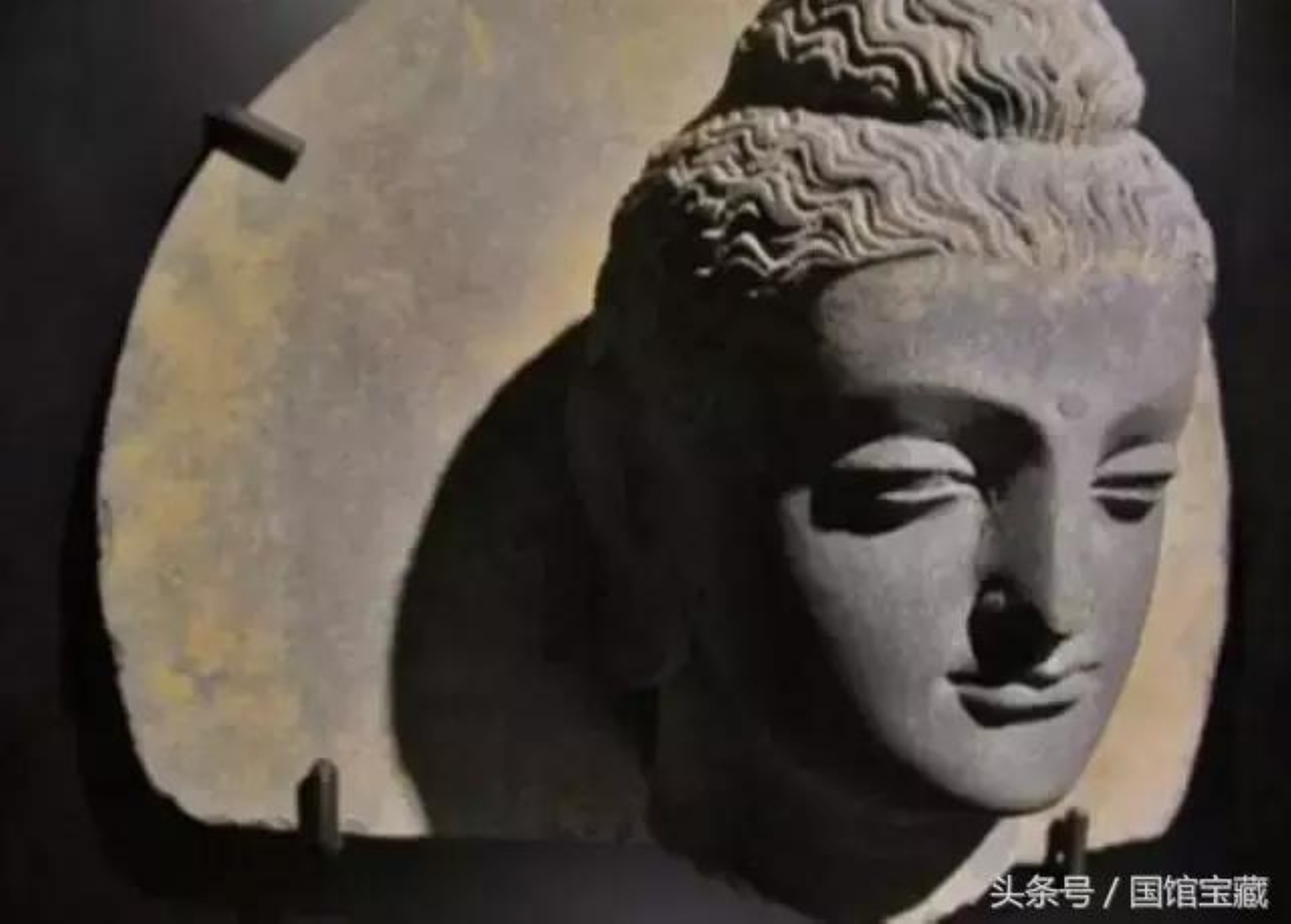
 犍陀羅佛雕像圖